Four page types cover every part of the outdoor experience. Hike entry log pages capture trail name, location, start and end times, miles, elevation, weather, conditions, difficulty, and companions. Gear checklist pages keep you prepared before every hike. Photo placeholder pages hold a print and caption. The annual mileage summary grid tracks hikes and miles for all 12 months.
Generic trail logs bury the fields that matter under irrelevant categories, or leave too little room for the notes that make each hike memorable. My Hiking Adventure Log Book organizes every entry around the actual experience — the trail, the stats, the gear, the photo — so filling it in feels natural rather than like a form to complete.
This journal is built for casual and regular adult hikers who want a clean, structured record book for their outdoor adventures. It is equally strong as a gift purchase — the clear, direct title makes it immediately recognizable to friends and family shopping for a hiker, whether for birthdays, holidays, or trail milestones.
Capture every hike's full detail — trail, location, miles, elevation, conditions, and companions — on one structured entry page.

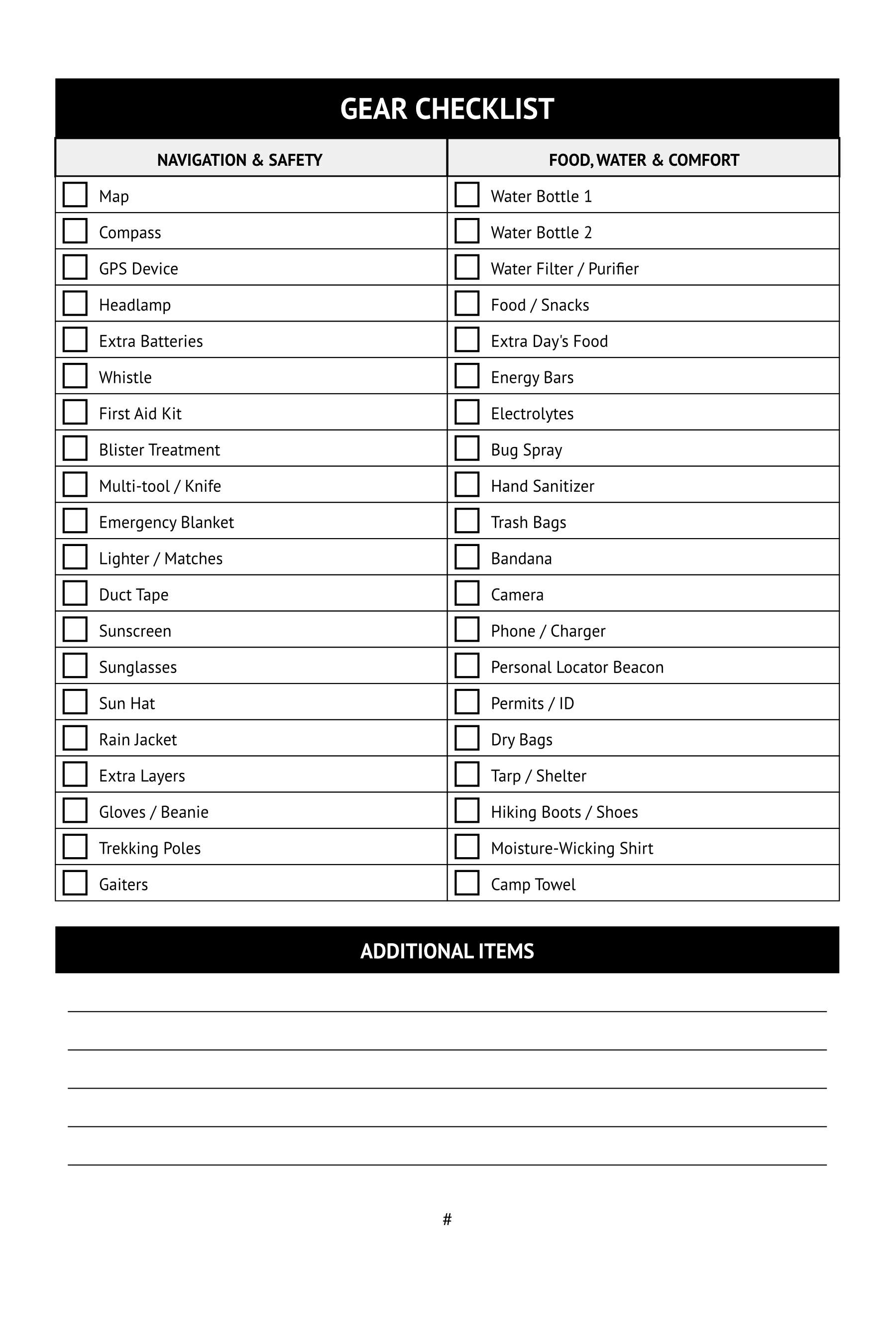
The gear checklist page keeps equipment accounted for before every outing so nothing gets left behind on the trail.
The annual mileage summary grid tracks total hikes and miles for each of the 12 months — one line per month, full year at a glance.
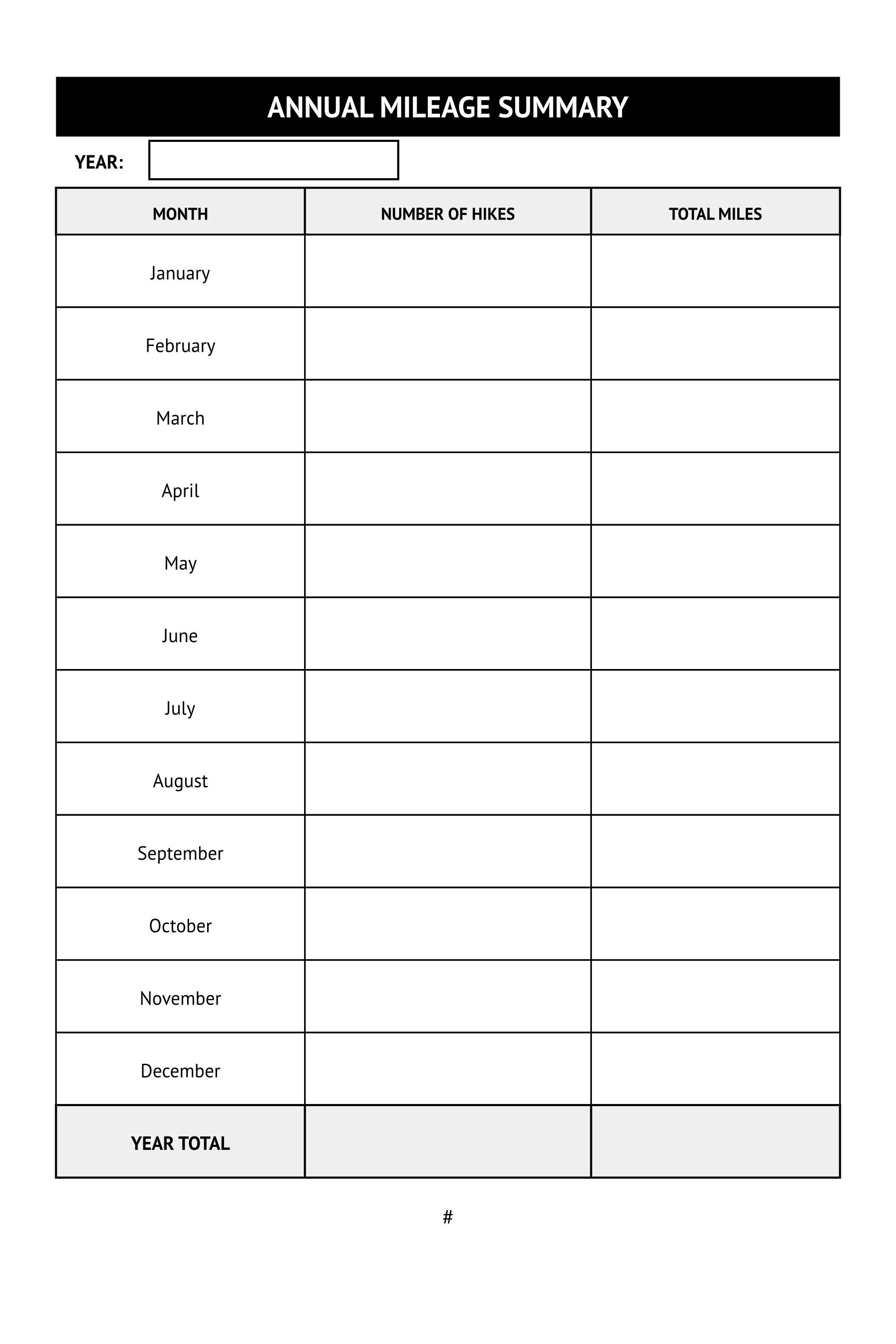
Photo placeholder pages preserve a print and caption from your most memorable hikes, turning the log into a lasting visual record.

Welcome to My Hiking Adventure Log Book — a complete trail journal designed to hold every hike you take, every mile you cover, and every moment worth saving. Whether you are just starting to explore local trails or you have been hiking for years, this notebook gives you a dedicated space to build a real record of your outdoor life.
The heart of this book is the Hike Entry Log, which takes up the first 100 pages. Each entry page is identical, giving you a clean, consistent format for every single hike. Start by filling in the date, trail name, and park or location at the top. Record your start and end times, total miles covered, and elevation gain. Note the weather and trail conditions on the day you hiked, and circle your difficulty rating from 1 (very easy) to 5 (very challenging). Write down who joined you, and use the notes section at the bottom of each page to capture anything else you want to remember — a view, a moment, a wildlife sighting, gear notes, or just how the hike felt.
After the entry pages you will find the Gear Checklist. This two-column grid covers all the essential hiking gear across navigation, safety, food, hydration, clothing, and comfort. Before any hike, run through the list and check off each item as you pack it. The Additional Items section at the bottom gives you space to add anything specific to your planned route. The same grid appears on every checklist page so you always have a consistent packing system to rely on.
The Photo Placeholder pages give you a dedicated space to attach or place a trail photo from each hike. Slide in a printed 4x6 or wallet-size photo, then fill in the caption, date, and trail name below. These pages turn your log book into a visual record, not just a written one.
The Annual Mileage Summary on the last interior page is where you tally up your full year. Fill in each month as it closes — number of hikes and total miles — and watch the year-total row grow. It is a satisfying page to complete in December and a great way to set goals for the year ahead.
Use this book on every single hike. The more consistently you fill it in, the more valuable it becomes over time.