Use the central content map to visualize your topic clusters. This mind-map style layout helps you see the big picture and ensure your content serves your overall brand.
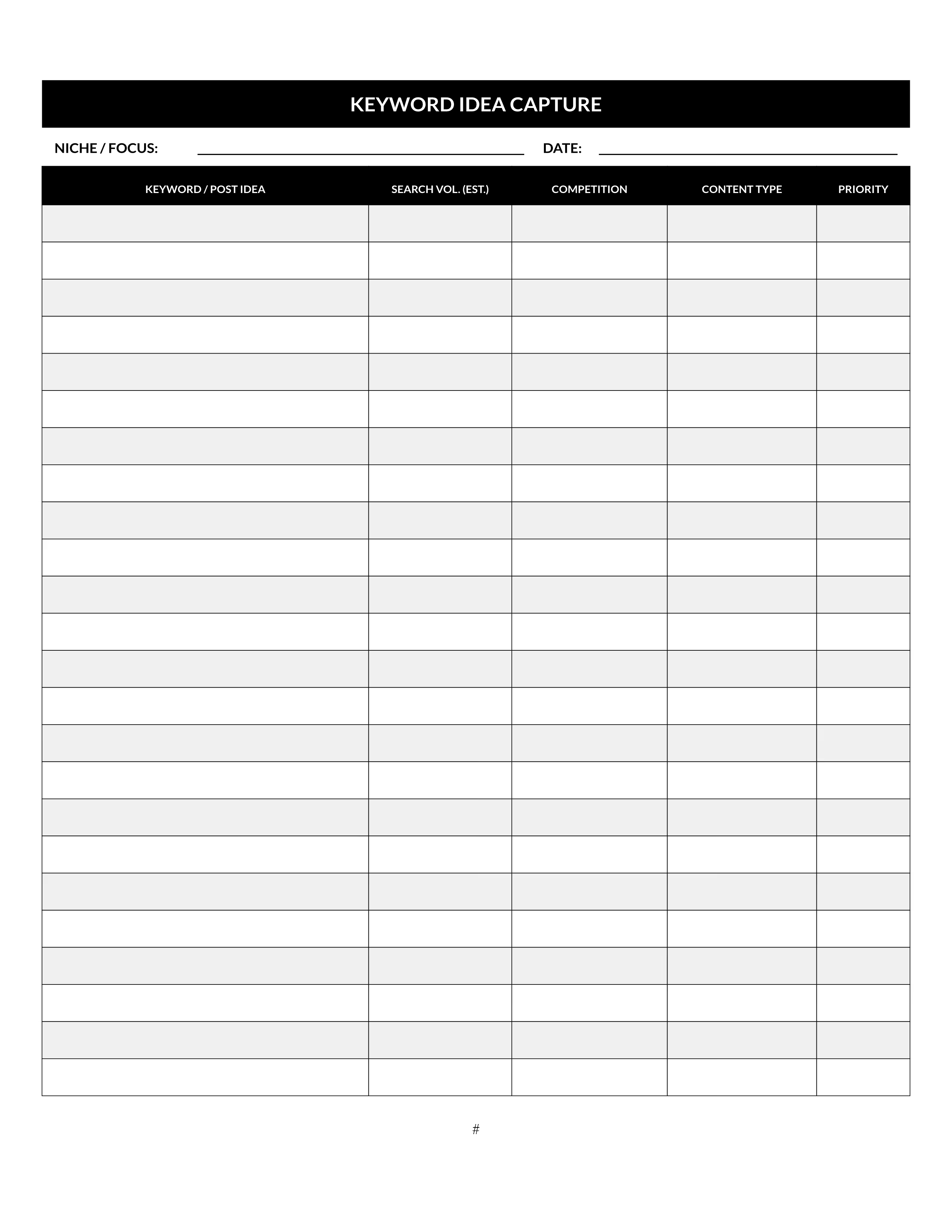
Capture keyword ideas alongside volume and competition notes. By organizing your research early, you build a content bank that is both relevant and competitive.
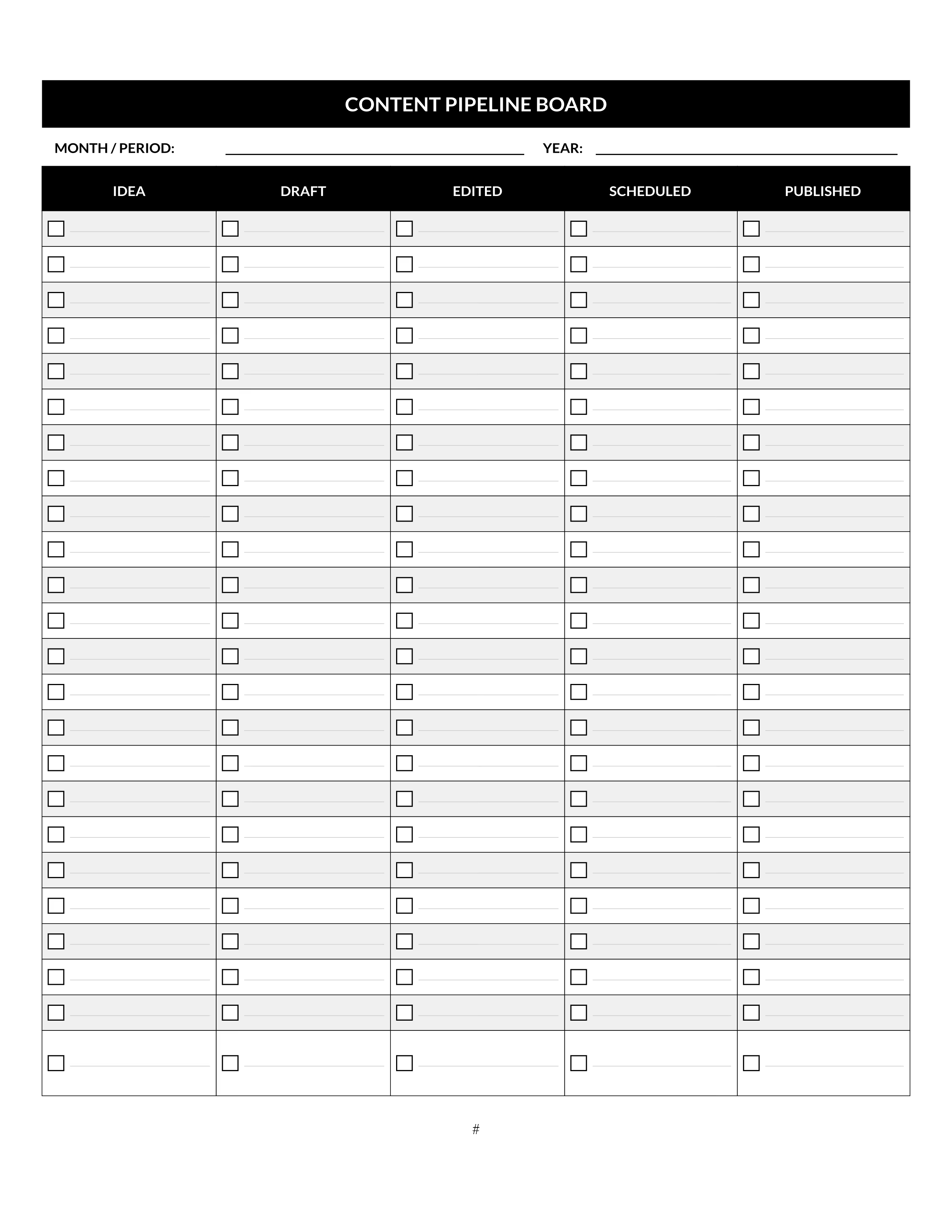
Never lose track of a draft again. The content pipeline board allows you to visualize exactly where each post stands, from initial idea to final publication.
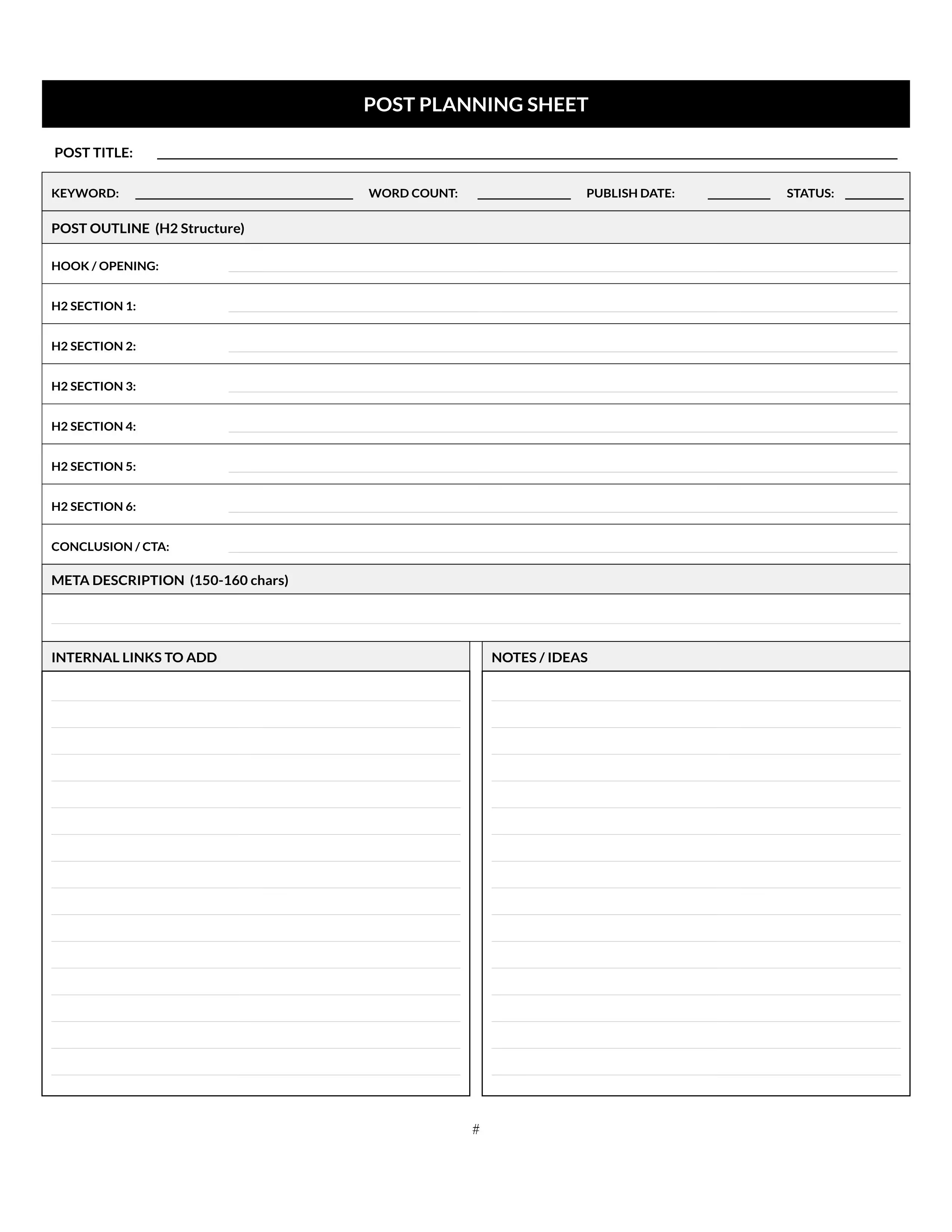
Individual post planning sheets with structured H2 and meta description areas.
Content pipeline board with checkboxes to manage draft status.
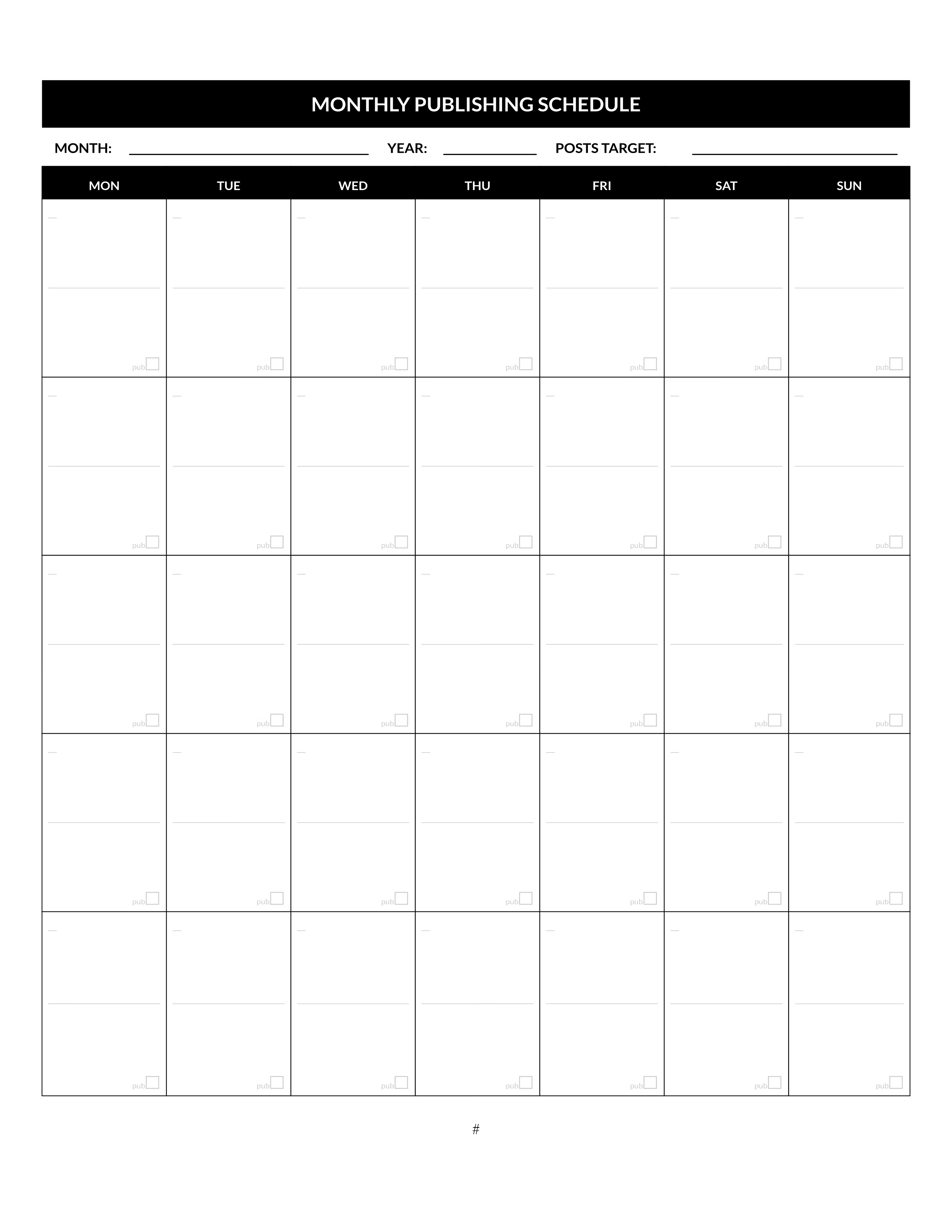
Monthly publishing schedule to manage deadlines and consistency.
Niche content map and keyword idea capture pages for deep research.
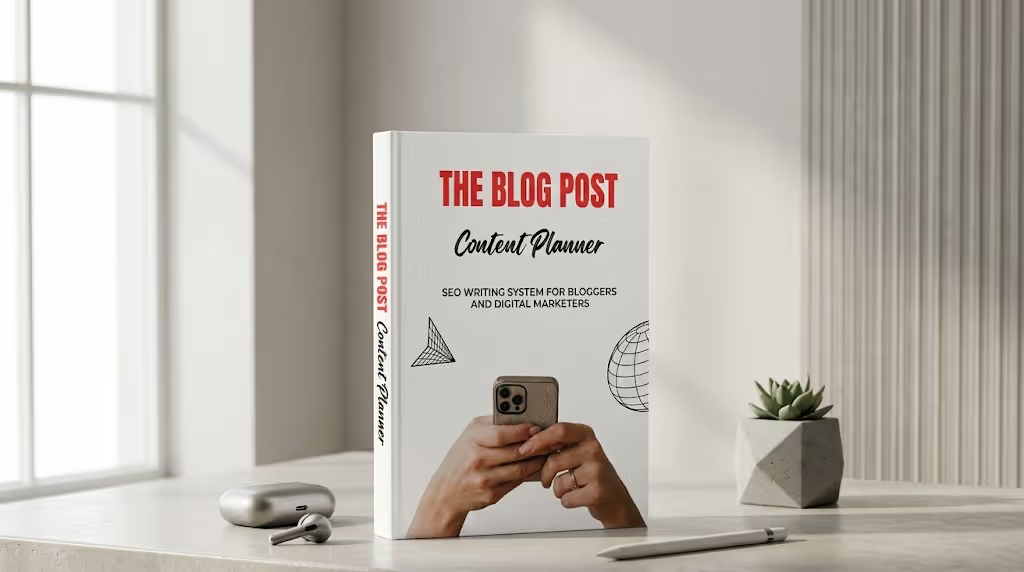
Welcome to The Blog Post Content Planner — a complete six-month system designed for bloggers and digital marketers who want to connect their keyword research directly to their publishing calendar and track every post from initial idea through to publication. This planner is built around one core idea: great blog content starts with strategy, not a blank page.
Before you begin your first month, work through the two Niche Content Map pages at the front of the planner. These mind-map layouts give you a visual space to define your core blog topic, identify up to six content pillars — the major themes your blog will cover — and then branch each pillar out into specific angles, audience questions, and post ideas. Completing these two pages first means every keyword you research and every post you plan has a clear connection back to your niche strategy. Return to these pages whenever you add a new content direction or refine your focus.
Each month opens with a Monthly Publishing Schedule — a full-page calendar grid showing the entire month at a glance. Fill in your target post dates and working titles before the month begins. The posts-target field at the top keeps your monthly output goal visible throughout the month. Each cell has a small published checkbox in the corner so you can mark completion directly on the calendar as each post goes live.
The Content Pipeline Board follows the calendar. This five-column page tracks every post in your active pipeline across five stages: Idea, Draft, Edited, Scheduled, and Published. Write each post title in the appropriate column and move it forward as work progresses. At any point in the month, one glance at this page shows you exactly where every piece of content stands. The pipeline board works best when you update it at least once a week.
Next come two Keyword Idea Capture pages, each holding twenty-four rows for keyword research. For each keyword or post idea, log your search volume estimate, competition level (Low, Medium, or High), the content type best suited to that keyword (list post, how-to, comparison, review, case study, etc.), and your priority rating. These pages are your keyword bank for the month — fill them in during a dedicated research session at the start of each month, then pull from them as you plan individual posts.
The fourteen Post Planning Sheets that follow are the core of each month. Each sheet plans one post from keyword to publish-ready. Start with the post title and target keyword, then set your word count goal, publish date, and status. The structured outline section provides eight labeled rows covering your hook, introduction, up to six H2 sections, conclusion, and call to action. Draft your meta description in the dedicated field. The bottom half gives you space for internal links to add and post-level notes. Work through all fourteen posts at whatever pace fits your publishing schedule — some bloggers complete several post sheets in one planning session, others fill them in one at a time before drafting each post.
Each month closes with two notes pages for capturing anything that does not fit into the structured sections — content ideas that came up mid-month, audience questions worth turning into posts, brand voice reminders, or competitor research notes.
The niche content maps are your strategy. The keyword pages are your research. The planning sheets are your execution. Used together, this system eliminates the gap between what you know you should be writing and what actually gets published.